The Student​ Physical Therapist
  • Home
  • About Us
  • TSPT Academy
  • Resources
    • Newsletter
    • Orthopedic Blog
    • Featured Articles
    • Research Articles
    • Residency Corner
  • Special Tests
    • Cervical Spine >
      • Alar Ligament Test
      • Bakody's Sign
      • Cervical Distraction Test
      • Cervical Rotation Lateral Flexion Test
      • Craniocervical Flexion Test (CCFT)
      • Deep Neck Flexor Endurance Test
      • Posterior-Anterior Segmental Mobility
      • Segmental Mobility
      • Sharp-Purser Test
      • Spurling's Maneuver
      • Transverse Ligament Test
      • ULNT - Median
      • ULNT - Radial
      • ULNT - Ulnar
      • Vertebral Artery Test
    • Thoracic Spine >
      • Adam's Forward Bend Test
      • Passive Neck Flexion Test
      • Thoracic Compression Test
      • Thoracic Distraction Test
      • Thoracic Foraminal Closure Test
    • Lumbar Spine/Sacroiliac Joint >
      • Active Sit-Up Test
      • Alternate Gillet Test
      • Crossed Straight Leg Raise Test
      • Extensor Endurance Test
      • FABER Test
      • Fortin's Sign
      • Gaenslen Test
      • Gillet Test
      • Gower's Sign
      • Lumbar Quadrant Test
      • POSH Test
      • Posteroanterior Mobility
      • Prone Knee Bend Test
      • Prone Instability Test
      • Resisted Abduction Test
      • Sacral Clearing Test
      • Seated Forward Flexion Test
      • SIJ Compression/Distraction Test
      • Slump Test
      • Sphinx Test
      • Spine Rotators & Multifidus Test
      • Squish Test
      • Standing Forward Flexion Test
      • Straight Leg Raise Test
      • Supine to Long Sit Test
    • Shoulder >
      • Active Compression Test
      • Anterior Apprehension
      • Biceps Load Test II
      • Drop Arm Sign
      • External Rotation Lag Sign
      • Hawkins-Kennedy Impingement Sign
      • Horizontal Adduction Test
      • Internal Rotation Lag Sign
      • Jobe Test
      • Ludington's Test
      • Neer Test
      • Painful Arc Sign
      • Pronated Load Test
      • Resisted Supination External Rotation Test
      • Speed's Test
      • Posterior Apprehension
      • Sulcus Sign
      • Thoracic Outlet Tests >
        • Adson's Test
        • Costoclavicular Brace
        • Hyperabduction Test
        • Roos (EAST)
      • Yergason's Test
    • Elbow >
      • Biceps Squeeze Test
      • Chair Sign
      • Cozen's Test
      • Elbow Extension Test
      • Medial Epicondylalgia Test
      • Mill's Test
      • Moving Valgus Stress Test
      • Push-up Sign
      • Ulnar Nerve Compression Test
      • Valgus Stress Test
      • Varus Stress Test
    • Wrist/Hand >
      • Allen's Test
      • Carpal Compression Test
      • Finkelstein Test
      • Phalen's Test
      • Reverse Phalen's Test
    • Hip >
      • Craig's Test
      • Dial Test
      • FABER Test
      • FAIR Test
      • Fitzgerald's Test
      • Hip Quadrant Test
      • Hop Test
      • Labral Anterior Impingement Test
      • Labral Posterior Impingement Test
      • Long-Axis Femoral Distraction Test
      • Noble Compression Test
      • Percussion Test
      • Sign of the Buttock
      • Trendelenburg Test
    • Knee >
      • Anterior Drawer Test
      • Dial Test (Tibial Rotation Test)
      • Joint Line Tenderness
      • Lachman Test
      • McMurray Test
      • Noble Compression Test
      • Pivot-Shift Test
      • Posterior Drawer Test
      • Posterior Sag Sign
      • Quad Active Test
      • Thessaly Test
      • Valgus Stress Test
      • Varus Stress Test
    • Foot/Ankle >
      • Anterior Drawer
      • Calf Squeeze Test
      • External Rotation Test
      • Fracture Screening Tests
      • Impingement Sign
      • Navicular Drop Test
      • Squeeze Test
      • Talar Tilt
      • Tarsal Tunnel Syndrome Test
      • Test for Interdigital Neuroma
      • Windlass Test

Upper Quarter: Splints

6/5/2014

7 Comments

 
Currently I am completing the upper quarter module at the Harris Health System orthopedic residency. After covering the shoulder and elbow, we spend the final 2-3 weeks reviewing wrist and hand conditions and management. This section of the module is taught by certified hand therapists and occupational therapists because they see the majority of distal upper extremity injuries at my clinic. During last Monday mornings lab we covered splint making.     

In this post I will cover the various splints we made with indications of when to utilize each splint. One key piece of information regarding splinting: splint as little as possible to maximize ROM at surrounding joints. Generally, only splint one joint proximal and one joint distal. 

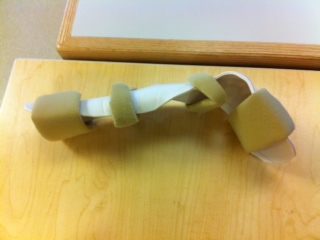
Name: Dorsal Blocking Splint
Indication: Flexor Tendon Injury
Additional Information: With this splint, the wrist should be placed in 20 degrees flexion, MPs in 70 degrees flexion, and IPs in full extension. As with all splints that cross the wrist, make a space for the radial styloid.

Picture
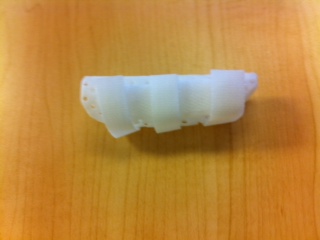
Name: Ulnar/ Radial Gutter Splint
Indication: P1 Fracture (proximal phalanx shaft fracture)
Additional Information: Keep the IP joints in extension and let the wrist move freely. 
Picture
Ulnar Gutter Splint
Picture
Radial Gutter Splint

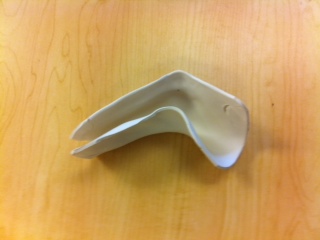
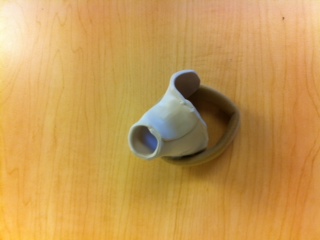
Name: Clamshell Splint
Indication: P2 fracture (middle phalanx) or trigger finger 
Additional Information: This small splint does not cover the MP joint and is made for a single finger injury. It is easy to make and requires very little material.
Picture
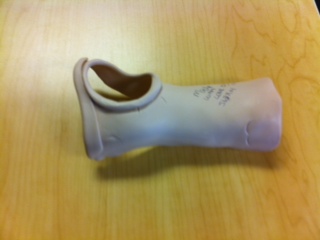
Name: Wrist Cock-up Splint
Indication: Distal radius fractures 
Additional Information: Be sure to not block the thenar eminence. The distal hand crease needs to be free as well to allow for normal MP flexion. Many times a pre-fabricated splint (OTC) splint will also work.
Picture

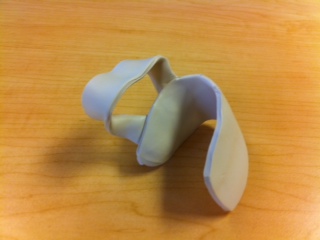
Name: Thumb Spica Splint
Indication: CMC OA, DeQuervain's Syndrome, Scaphoid fracture (generally would cover the wrist as well) 
Additional Information: Keep the IP joint of the thumb free. The purpose of this splint is to prevent the "swivel" movement that occurs at the CMC joint. This splint is worn for pain and is not needed 24/7. 
Picture
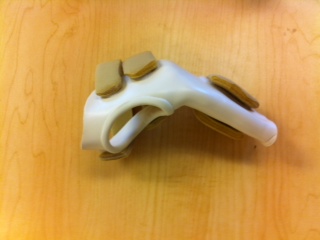
Name: Anti-claw Splint
Indication: Ulnar nerve injury (if both median and ulnar are affected, a full lumbrical bar splint can be fabricated in similar fashion but covering all fingers) 
Additional Information: In the presence of an ulnar nerve injury, the patient cannot extend their IP joints of the 4th and 5th digits. This splint blocks MP hyperextension and promotes IP extension.  
Picture

Splint making is not difficult, but like any other skill it does take practice. When making splints, focus on the diagnosis at hand and the specific impairments of the patient. As stated early, limit as little movement as possible. Hand-land can seem like a scary place at times, but with a little practice and anatomical review, you will find that treatment is similar to many other joints of the body.  

-Jim   
7 Comments
https://essay-reviewer.com/proessaywriting-com-review/ link
6/17/2021 11:46:20 pm

Very helpful material about the joint pains on your forum and people getting the help as well to get rid of problems. The people who facing problem with joints can batter understand. I found the material really excellent please keep going with excellent work.

Reply
Stump Grinding Rotorua link
10/12/2022 01:54:00 am

Upper Quarters are the most important part of your body. They are the important structures that run across your body. Upper Quarter Splints make sure that you can move your upper quarter(s) in all directions. These splints are extremely effective at protecting your upper quarter from damage, injury, and pain.

Reply
y2mate.win link
6/1/2023 03:15:04 am

Upper Quarter: Splints play a crucial role in the rehabilitation and immobilization of upper extremity injuries. These specialized orthopedic devices provide support and stability to the wrist, hand, and fingers, aiding in the healing process. They are often used for conditions like fractures, sprains, and tendonitis. With advancements in technology, online platforms like y2mate.win offer a wide range of educational videos on splinting techniques, allowing healthcare professionals to enhance their knowledge and improve patient care.


Reply
Plumbers in Maidstone link
11/6/2023 11:47:36 pm

Upper Quarter splints are essential orthopedic devices used to support and immobilize the upper extremities, such as the wrist, hand, and forearm. These splints are commonly prescribed for conditions like fractures, sprains, or after surgery. They provide stability and promote proper healing. While upper quarter splints are crucial in the realm of healthcare, it's also important to remember that various professionals, including plumbers in Maidstone, rely on their hands and wrists to perform their work effectively, making the use of such splints even more significant in aiding their recovery and maintaining their livelihoods.


Reply
James Zuniga link
1/13/2024 11:44:51 am

Good bloog post

Reply
casino link
2/5/2024 02:44:21 pm

casino oynamaq vaxt keçirmək üçün əla bir yoldur! Siz həmişə sevdikləriniz və ya dostlarınızla oynaya və rəqabət apara bilərsiniz. Bu axşam şirkət görüşləri üçün əla fikirdir. Qələbə nə qədər böyük olsa da, unudulmaz təcrübə gətirir. Önəmli olan təcrübənizdir və oyunla bağlı duyğularınız və xatirələriniz təcrübənizin bir hissəsinə çevriləcək!

Reply
Get in touch link
4/30/2025 05:03:41 am

Love the insights! More content would be great.

Reply


Leave a Reply.

    Archives

    March 2015
    December 2014
    September 2014
    August 2014
    July 2014
    June 2014
    May 2014
    April 2014
    February 2014
    January 2014
    December 2013
    November 2013
    October 2013
    September 2013
    August 2013
    July 2013

    Categories

    All
    Fellowship
    Hand

    RSS Feed

Home

Contact Us

Copyright © The Student Physical Therapist LLC 2023
Photos from Sand Paper, PPGWings, sridgway, NWABR, Samuel Mann, pennjapanesecollection, bil_kleb, Paul L Dineen, SnaPsi Сталкер, mahalie, COMSALUD, thmmrth, torres21, Strelka Institute photo
  • Home
  • About Us
  • TSPT Academy
  • Resources
    • Newsletter
    • Orthopedic Blog
    • Featured Articles
    • Research Articles
    • Residency Corner
  • Special Tests
    • Cervical Spine >
      • Alar Ligament Test
      • Bakody's Sign
      • Cervical Distraction Test
      • Cervical Rotation Lateral Flexion Test
      • Craniocervical Flexion Test (CCFT)
      • Deep Neck Flexor Endurance Test
      • Posterior-Anterior Segmental Mobility
      • Segmental Mobility
      • Sharp-Purser Test
      • Spurling's Maneuver
      • Transverse Ligament Test
      • ULNT - Median
      • ULNT - Radial
      • ULNT - Ulnar
      • Vertebral Artery Test
    • Thoracic Spine >
      • Adam's Forward Bend Test
      • Passive Neck Flexion Test
      • Thoracic Compression Test
      • Thoracic Distraction Test
      • Thoracic Foraminal Closure Test
    • Lumbar Spine/Sacroiliac Joint >
      • Active Sit-Up Test
      • Alternate Gillet Test
      • Crossed Straight Leg Raise Test
      • Extensor Endurance Test
      • FABER Test
      • Fortin's Sign
      • Gaenslen Test
      • Gillet Test
      • Gower's Sign
      • Lumbar Quadrant Test
      • POSH Test
      • Posteroanterior Mobility
      • Prone Knee Bend Test
      • Prone Instability Test
      • Resisted Abduction Test
      • Sacral Clearing Test
      • Seated Forward Flexion Test
      • SIJ Compression/Distraction Test
      • Slump Test
      • Sphinx Test
      • Spine Rotators & Multifidus Test
      • Squish Test
      • Standing Forward Flexion Test
      • Straight Leg Raise Test
      • Supine to Long Sit Test
    • Shoulder >
      • Active Compression Test
      • Anterior Apprehension
      • Biceps Load Test II
      • Drop Arm Sign
      • External Rotation Lag Sign
      • Hawkins-Kennedy Impingement Sign
      • Horizontal Adduction Test
      • Internal Rotation Lag Sign
      • Jobe Test
      • Ludington's Test
      • Neer Test
      • Painful Arc Sign
      • Pronated Load Test
      • Resisted Supination External Rotation Test
      • Speed's Test
      • Posterior Apprehension
      • Sulcus Sign
      • Thoracic Outlet Tests >
        • Adson's Test
        • Costoclavicular Brace
        • Hyperabduction Test
        • Roos (EAST)
      • Yergason's Test
    • Elbow >
      • Biceps Squeeze Test
      • Chair Sign
      • Cozen's Test
      • Elbow Extension Test
      • Medial Epicondylalgia Test
      • Mill's Test
      • Moving Valgus Stress Test
      • Push-up Sign
      • Ulnar Nerve Compression Test
      • Valgus Stress Test
      • Varus Stress Test
    • Wrist/Hand >
      • Allen's Test
      • Carpal Compression Test
      • Finkelstein Test
      • Phalen's Test
      • Reverse Phalen's Test
    • Hip >
      • Craig's Test
      • Dial Test
      • FABER Test
      • FAIR Test
      • Fitzgerald's Test
      • Hip Quadrant Test
      • Hop Test
      • Labral Anterior Impingement Test
      • Labral Posterior Impingement Test
      • Long-Axis Femoral Distraction Test
      • Noble Compression Test
      • Percussion Test
      • Sign of the Buttock
      • Trendelenburg Test
    • Knee >
      • Anterior Drawer Test
      • Dial Test (Tibial Rotation Test)
      • Joint Line Tenderness
      • Lachman Test
      • McMurray Test
      • Noble Compression Test
      • Pivot-Shift Test
      • Posterior Drawer Test
      • Posterior Sag Sign
      • Quad Active Test
      • Thessaly Test
      • Valgus Stress Test
      • Varus Stress Test
    • Foot/Ankle >
      • Anterior Drawer
      • Calf Squeeze Test
      • External Rotation Test
      • Fracture Screening Tests
      • Impingement Sign
      • Navicular Drop Test
      • Squeeze Test
      • Talar Tilt
      • Tarsal Tunnel Syndrome Test
      • Test for Interdigital Neuroma
      • Windlass Test